Faculty of Molecular and Cellular Physiology

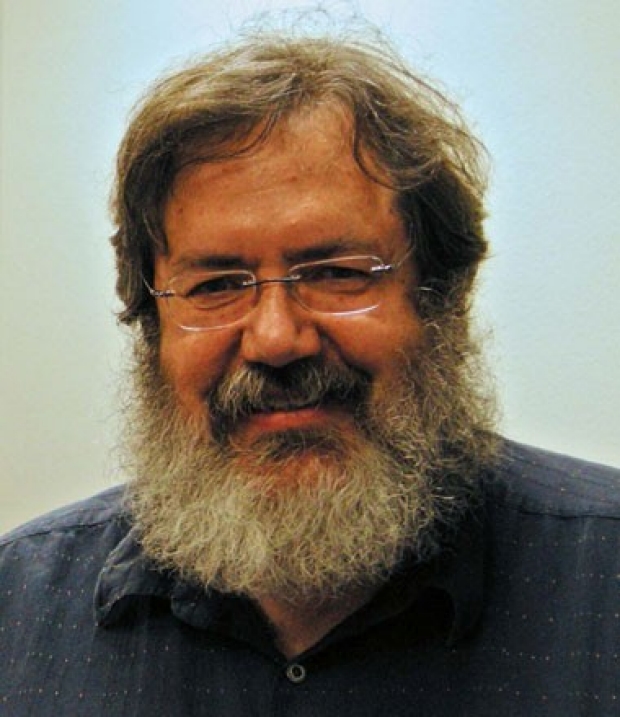
Axel Brunger
Jointly appointed in Neurology & Neurological Sciences, Photon Science and, by courtesy, Structural Biology
We investigate the molecular mechanisms of synaptic neurotransmitter release by conducting single-molecule/particle reconstitution and imaging experiments, combined with high-resolution structural studies (by X-ray crystallography and electron cryo-microscopy) of the synaptic vesible fusion machinery. Other interests include the development of advanced methods for biomolecular structure determination.
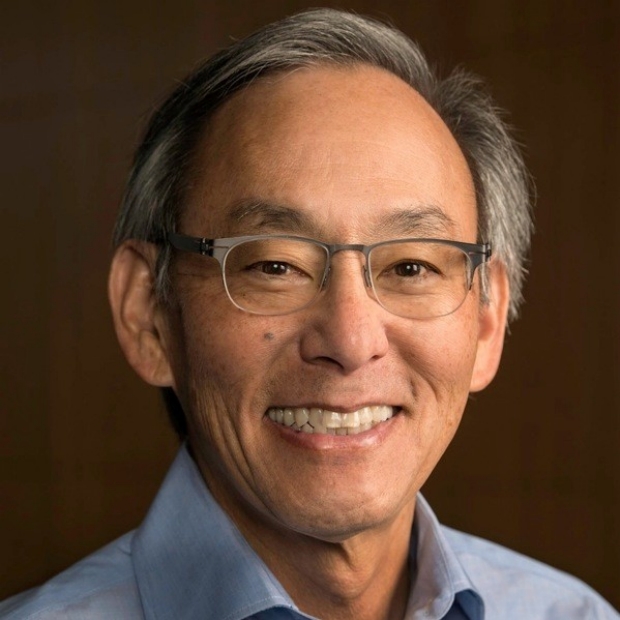
Steven Chu
Jointly appointed in Physics
From January 2009 until April, 2013, Dr. Chu served as the 12th U.S. Secretary of Energy during President Obama's administration. Prior to his Cabinet post, he was the Director of Lawrence Berkeley National Lab, Professor of Physics and Professor of Molecular and Cell Biology, University of California Berkeley and Professor of Physics and Applied Physics at Stanford University. Previous to those posts, he was with AT&T Bell Laboratories. Dr. Chu is the co-recipient of the Nobel Prize for Physics (1997) for his contributions to the laser cooling and trapping of atoms. His other areas of research include tests of fundamental theories in physics, atom interferometry, study of polymers and biological systems at the single molecule level, and biomedical research. While at Stanford, he helped start Bio-X, a multi-disciplinary initiative that brings together the physical and biological sciences with engineering and medicine. More recently, he has focused on how to transition to a sustainable future.

Liang Feng (Director of Graduate Admssions)
We are interested in the structure, dynamics and function of eukaryotic transport proteins mediating ions and major nutrients crossing the membrane, the kinetics and regulation of transport processes, the catalytic mechanism of membrane embedded enzymes and the development of small molecule modulators based on the structure and function of membrane proteins.
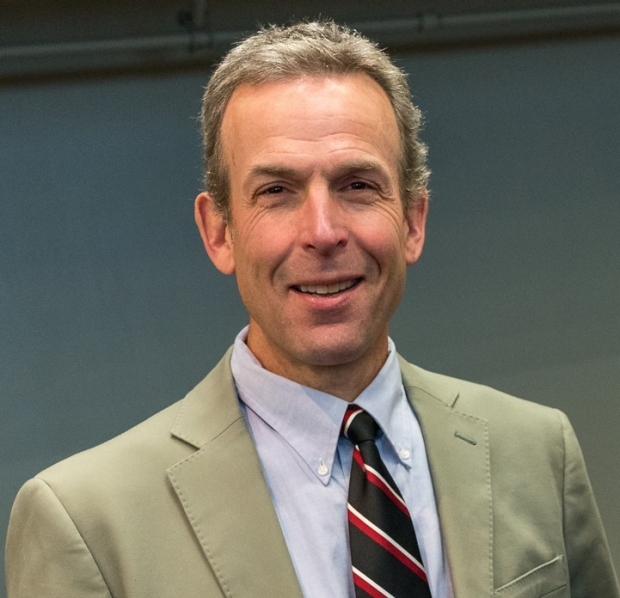
Chris Garcia
Jointly appointed in Structural Biology
Structural and functional studies of transmembrane receptor interactions with their ligands in systems relevant to human health and disease - primarily in immunity, infection, and neurobiology. We study these problems using protein engineering, structural, biochemical, and combinatorial biology approaches.
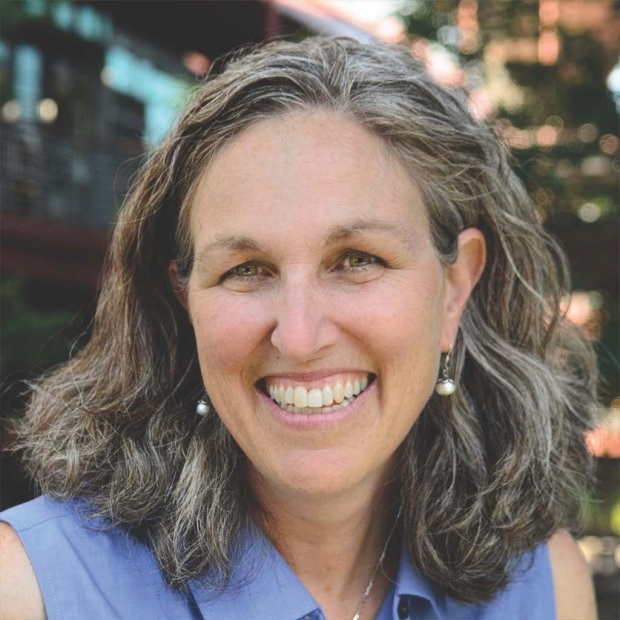
Miriam Goodman (Department Chair)
Touch is the first sense to develop, the last to fade, vital to daily living and poorly understood. We investigate the biophysics and mechanics of touch sensation by combining in vivo electrophysiology with genetics and novel tools for mechanical stimulation, through quantitative behavioral studies, light and electron microscopy. Other interests include developing simple animal models of peripheral sensory neuropathy and investigating how neurons resist mechanical stress.

Ruth Huttenhain
My group deciphers how G protein-coupled receptors decode extracellular cues into dynamic and context-specific cellular signaling networks to elicit diverse physiologic responses. We exploit quantitative proteomics to capture the spatiotemporal organization of signaling networks combined with functional genomics to study their impact on physiology.

Brian Kobilka
Jointly appointed, by courtesy, in Chemical and Systems Biology
The Kobilka lab investigates the molecular mechanisms of G protein coupled receptor signaling. G protein coupled receptors are responsible for the majority of cellular responses to hormones and neurotransmitters, as well as the senses of sight, olfaction and taste. We use a variety of biochemical and biophysical approaches to characterize the structure and dynamic properties of these receptors that are responsible for their versatile signaling behavior.

Richard Lewis (Director of Graduate Studies)
Our lab studies calcium signaling mechanisms and their consequences for cell behavior, with a focus on store-operated calcium channels. These ubiquitous channels serve many essential functions including activation of the immune response. We aim to understand how they are regulated at the molecular level and how they control critical steps in lymphocyte activation, by applying a combination of electrophysiological, biochemical, and microscopic imaging approaches.
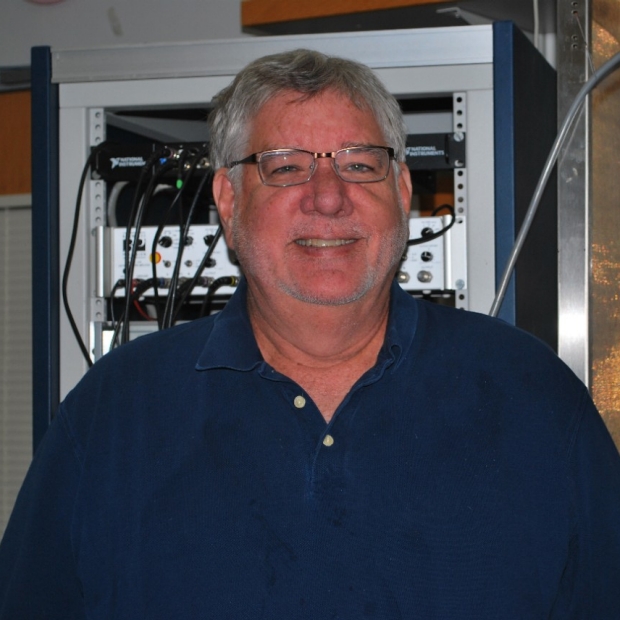
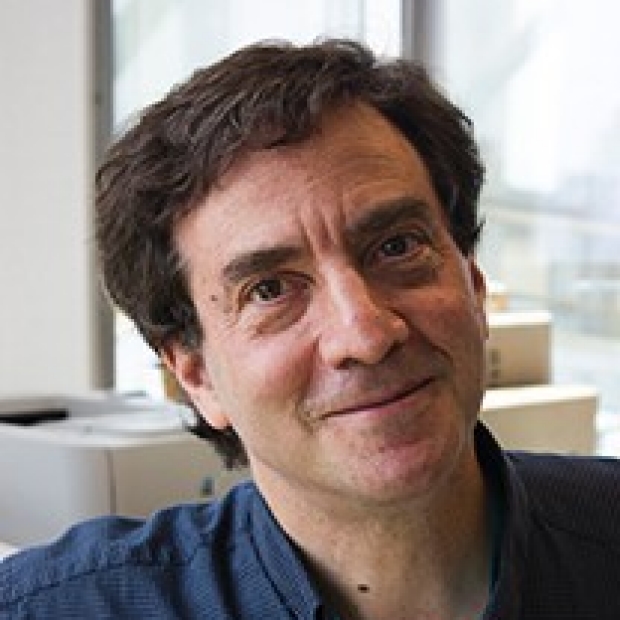
Daniel Madison (Associate Chair)
Mechanisms of synaptic transmission and plasticity in mammalian hippocampus using electrophysiological techniques. Study of long-term potentiation and mechanisms underlying memory formation in the central nervous system.

Merritt Maduke (Associate Director of Graduate Studies, Director of Graduate Curriculum)
We are interested in the molecular mechanisms of ion channels and transporters. We study these mechanisms using a combination of biophysical methods to probe protein structure and dynamics together with electrophysiological analysis to directly measure function.
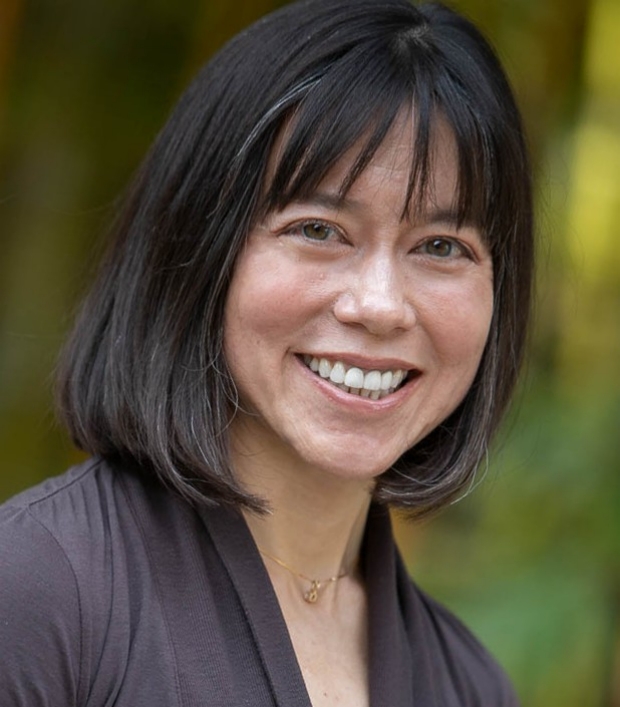
Lucy O'Brien
Stem cell dynamics during functional adaptation of the Drosophila midgut. Physiological signals and cellular interactions that distinguish stem-based organ remodeling from organ renewal. Impact of tissue architecture on stem cell behavior. Genetic perturbation of stem cell regulation, fixed and live tissue imaging, and quantitative morphometric analysis.

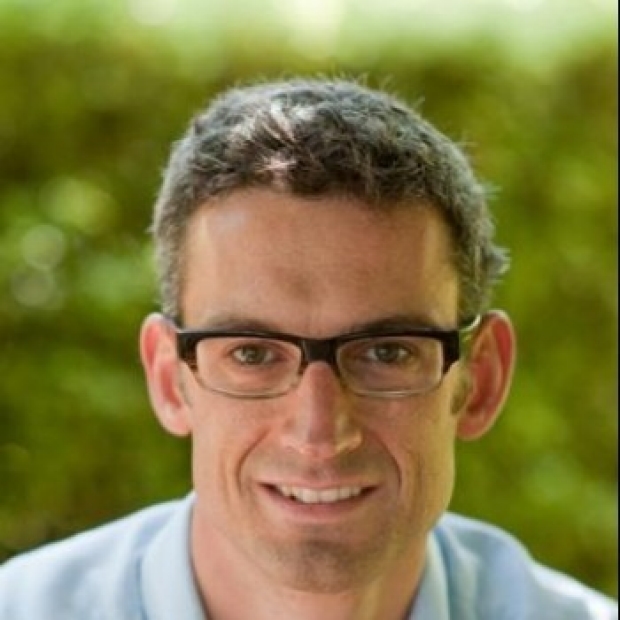
Tino Pleiner
How does the cell make and quality control multi-pass membrane proteins like transporters, receptors and ion channels that are essential for cellular physiology? The Pleiner lab combines mechanistic cell biology, biochemistry and protein engineering to dissect the pathways and molecular machines that mature human membrane proteins to a fully functional state. We are developing nanobodies as tools to acutely perturb such dynamic intracellular pathways directly at the protein level.
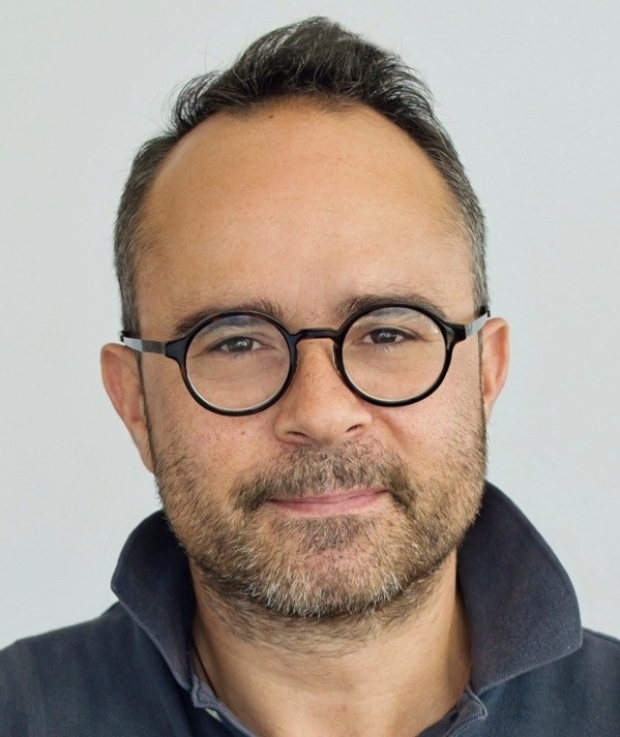
Georgios Skiniotis
Georgios Skiniotis, a recently arrived professor in the department, is a structural biologist with expertise in electron cryo-microscopy (cryoEM). Skiniotis has exploited the power of cryoEM to study a wide range of important biological “machines” or macromolecular assemblies. His main interests are on the mechanisms of transmembrane signal instigation with a particular focus on G protein-coupled receptors and cytokine receptors. The application of cryoEM to such systems has also driven him to explore and refine approaches for resolving technically challenging problems.

Thomas C. Südhof
Jointly appointed, by courtesy, in Neurology & Neurological Sciences and Psychiatry & Behavioral Sciences
In brain, neurons primarily communicate with each other at synapses, which are highly plastic, and not only transfer, but also process and store information. My laboratory is interested in how synapses are formed, how synapses work at a molecular level and change during synaptic plasticity, and how synapses become dysfunctional in diseases such as autism and other neuropsychiatric disorders. To address these questions, my laboratory employs a variety of approaches ranging from biophysical and biochemical studies to electrophysiological and behavioral analyses of mutant mice.
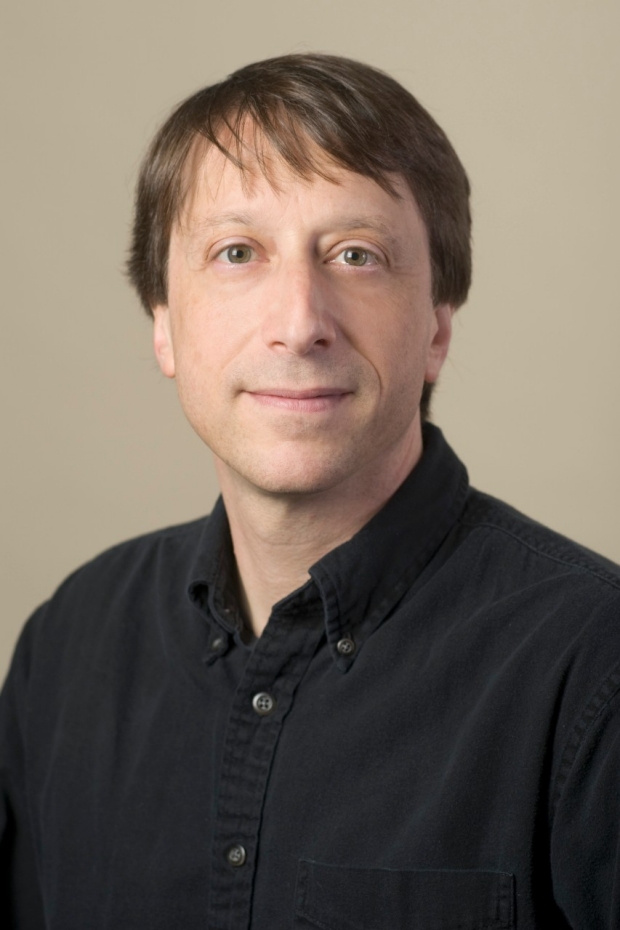
William Weis
Jointly appointed in Structural Biology and Photon Science
Molecular interactions that underlie the establishment and maintenance of cell and tissue structure are studied with a variety of biochemical, structural, and biophysical methods. Specific areas of interest include cadherin-based adhesion and its interaction with the cytoskeleton, the relationship between cell-cell junction formation and generation of cell polarity, and the Wnt signaling pathway that controls cell fate determination.