
.jpg)


Visit Stanford's online giving page and enter MCP Department in the "Special Instructions/Other Designation" field.
Molecular and Cellular Physiology
Understanding Cell Signaling and Behavior
In the Department of Molecular and Cellular Physiology (MCP), we strive to reveal how proteins and cells work and how they interact. MCP scientists tackle open problems in cell and tissue biology, immunology, and neuroscience. Drawing on concepts, techniques and principles from multiple fields, such as biophysics, computational biology, genetics, and structural biology, we develop a next generation of scientists skilled in interdisciplinary research, mentoring, and communication. We believe that innovation thrives within dynamic and diverse research communities and, thus, welcome people whose experience, research, or community engagement has prepared them to enhance this commitment to diversity and excellence.
Today, MCP hosts more than 100 graduate students and postdoctoral scholars distributed across 13 faculty labs. Students join MCP labs from several biosciences home programs, including the one sponsored by MCP. Postdoctoral scholars join the department after earning PhDs in a variety of scientific disciplines and from universities across the nation and the world. Seven MCP faculty belong to the National Academy of Science, three hold Nobel Prizes (each one in a different area), four are immigrants, and the current chair holds a Landis Award for Outstanding Mentoring. Former MCP trainees apply their scientific training as leaders of independent research groups in academia and in industry, and as lawyers, entrepreneurs, company founders, technology investors, and policy makers.
Read more about our MCP Community and our commitment to diversity, equity and inclusion.

Research News & Notable Events
 – California Museum
Steven Chu Inducted into the California Hall of Fame
Nobel Prize-winning physicist Steven Chu is the William R. Kenan, Jr., Professor of Physics, Professor of Molecular & Cellular Physiology in the Medical School and Professor of Environmental Science and Engineering in the Doerr School of Sustainability at Stanford University.
 – Stanford Report
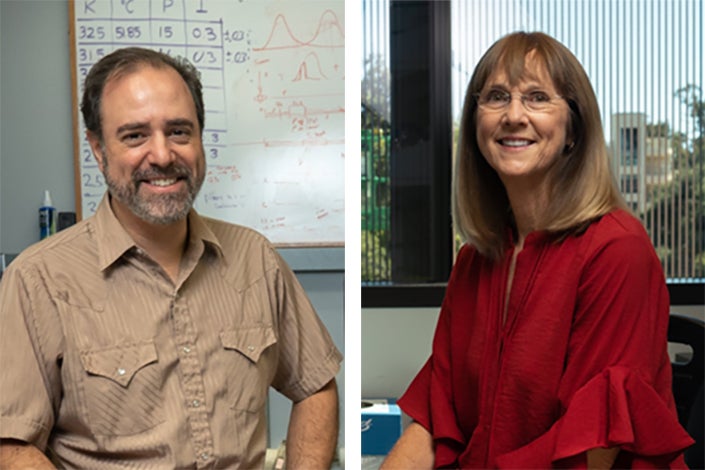
Stanford honors staff who help make research possible - Stanford Report
Lab services manager Cathy Booth and computing support analyst Brian Palermo will be honored with the 2021 Marsh O’Neill Award for Exceptional and Enduring Support of Stanford University's Research Enterprise.
 – Intelligencer
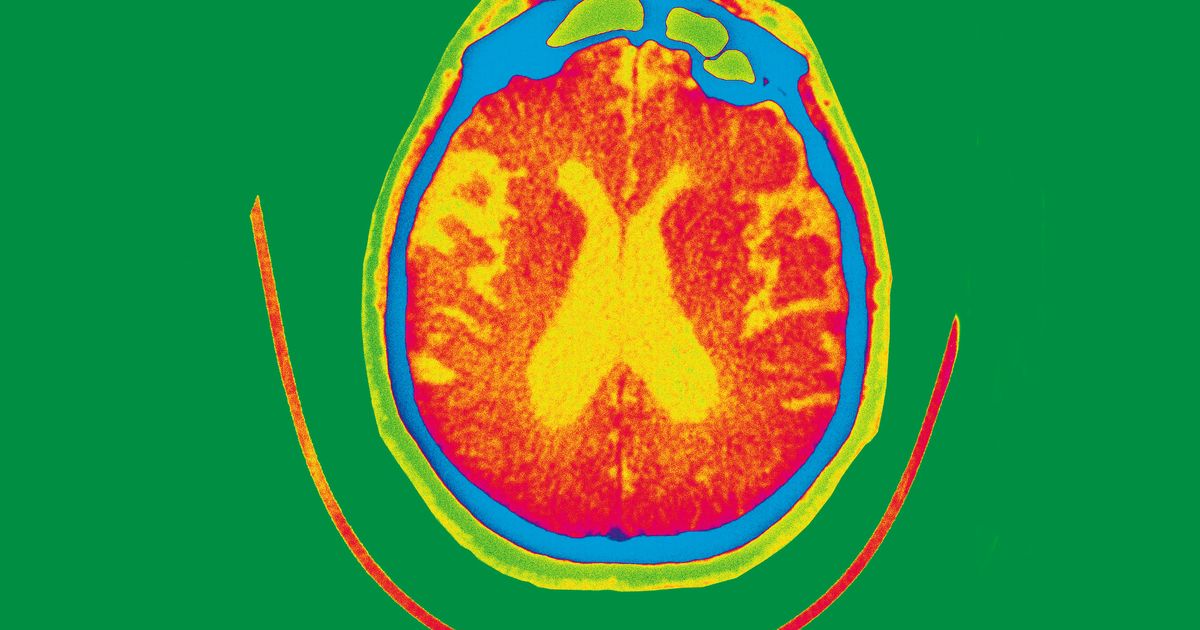
Have Scientists Been Wrong About Alzheimer’s for Decades?
A talk with Nobel laureate Thomas C. Südhof about a scandal rocking the world of Alzheimer’s research and how conceptions of the disease are changing.
 – Stanford Medicine
Approaches for treating pain are becoming more personalized
Understanding that traditional treatments don’t work for every pain patient, researchers and clinicians are pursuing individualized remedies.
 – Stanford Medicine
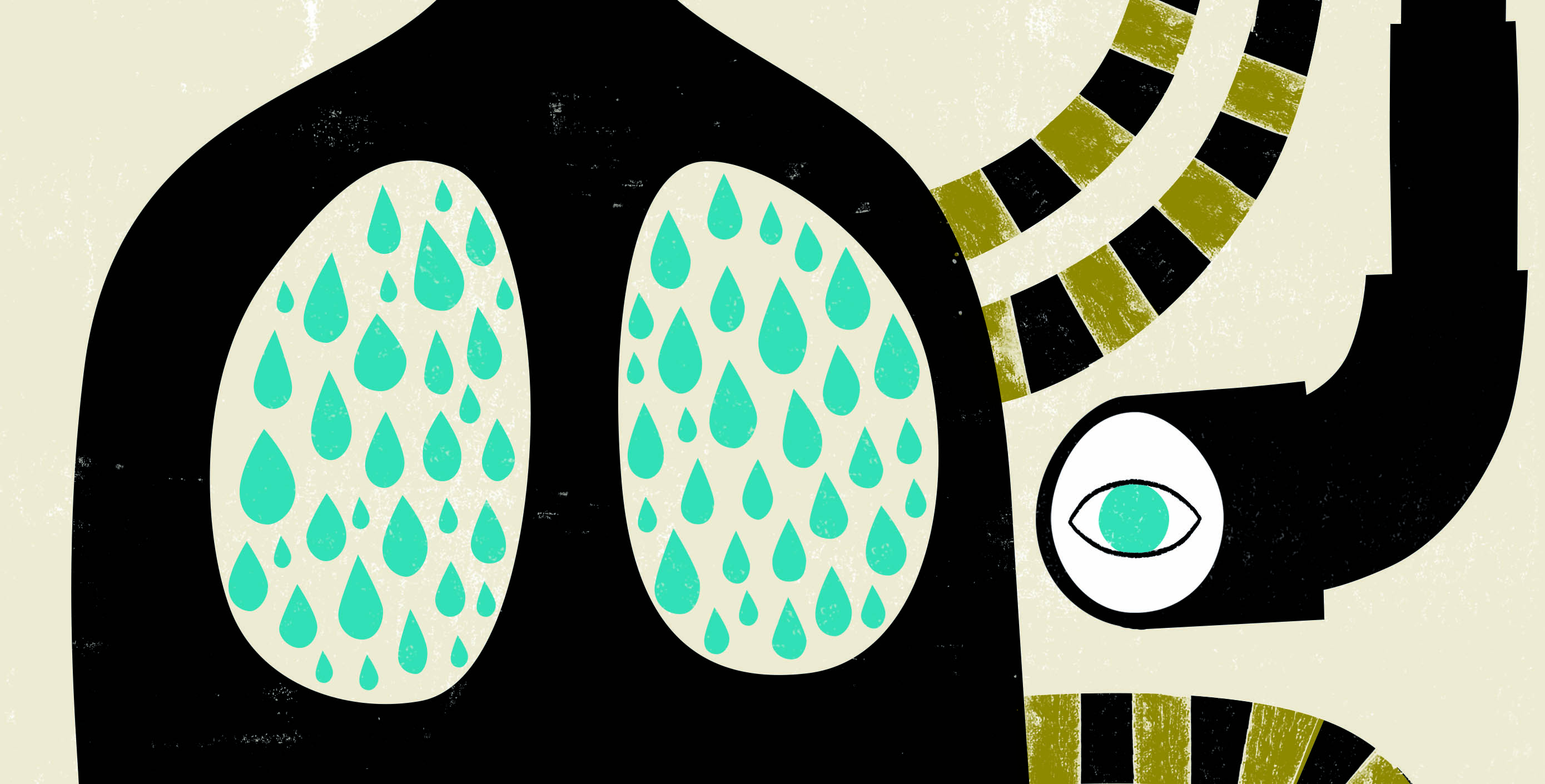
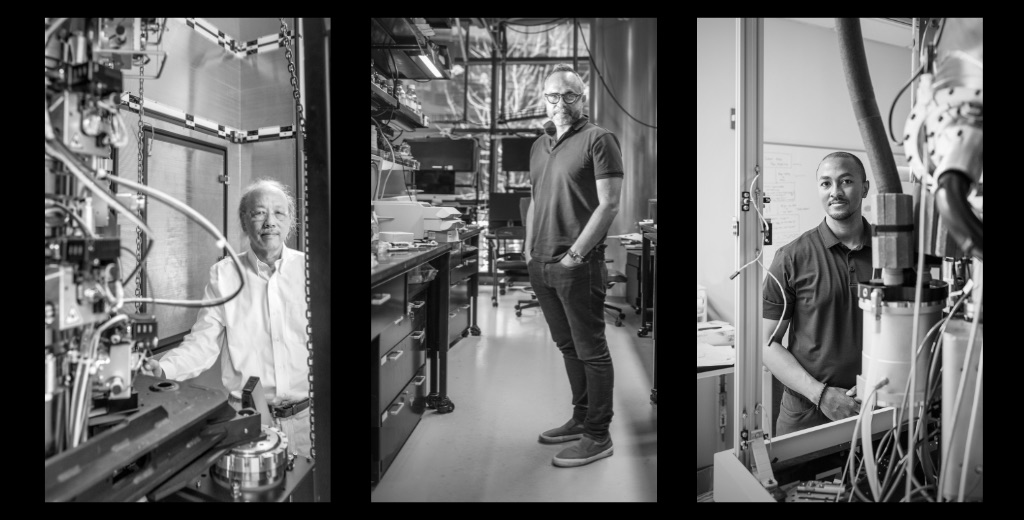
How neurotransmission can help explain mucus hypersecretion
Mucus is an unsung hero of a healthy body, essential to its function but rarely scrutinized. Perhaps surprisingly, the manner of its secretion strongly resembles, on the molecular level, one of the most intensively studied physiological phenomena: neurotransmitter release.
 – Stanford Medicine
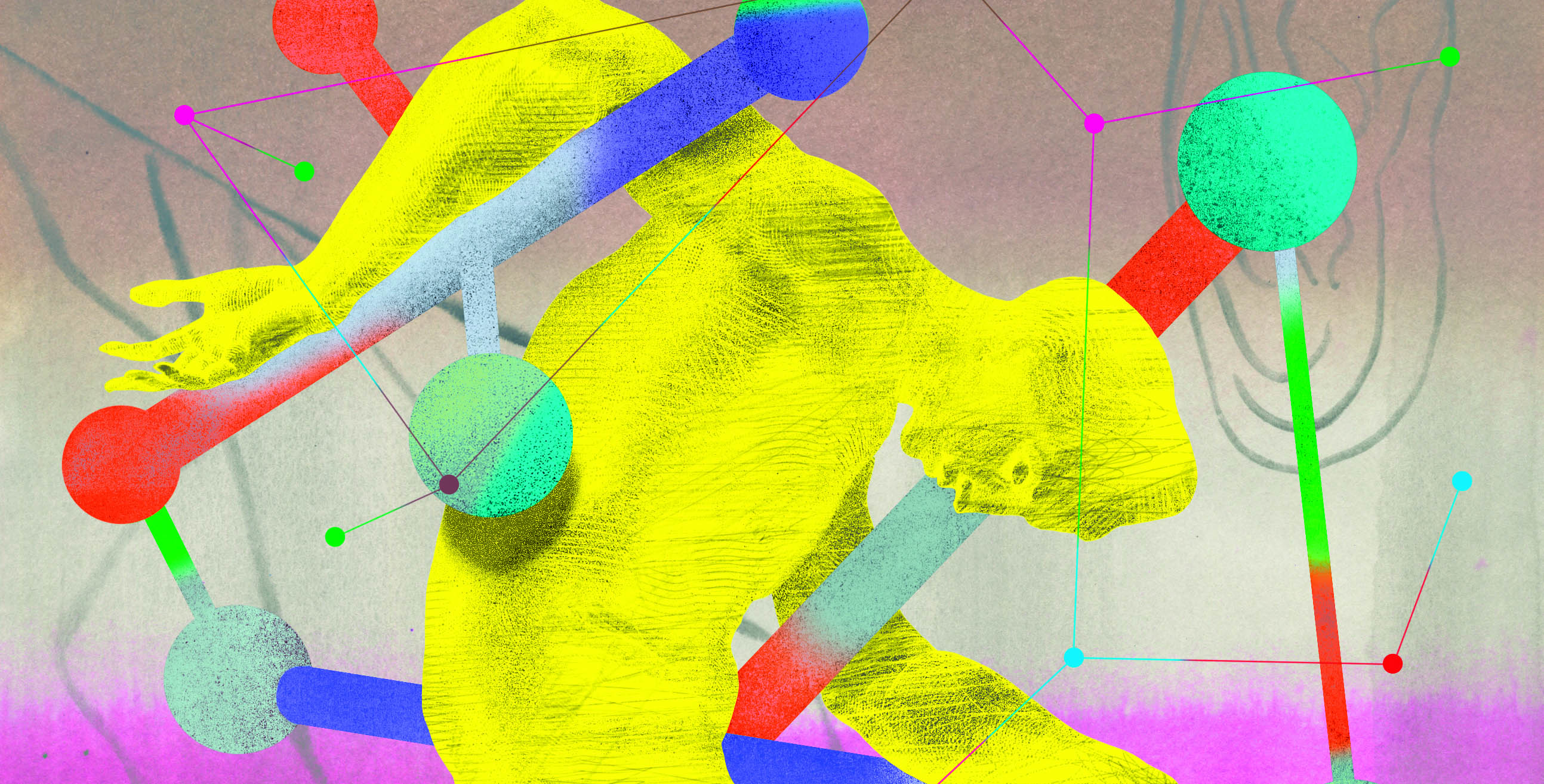
What cryogenic electron microscopy reveals about health and disease
A game-changing technique for imaging proteins — cryogenic electron microscopy — enables discovery of the structure of nearly any molecule within a few days, deepening our understanding of diseases and how to treat them.
 – Stanford Medicine
Accelerating research into the mysteries of human biology
Relocating its medical school to Palo Alto set the stage for Stanford medical students, researchers and physicians to be leaders in accelerating biomedical discoveries and advances.
 – Wu Tsai Neurosciences Institute
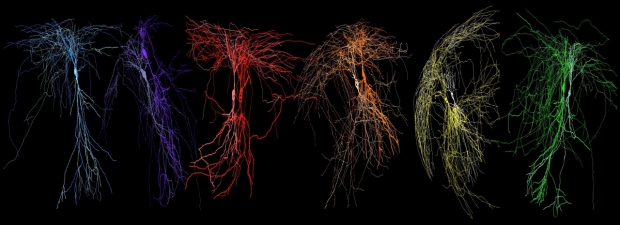
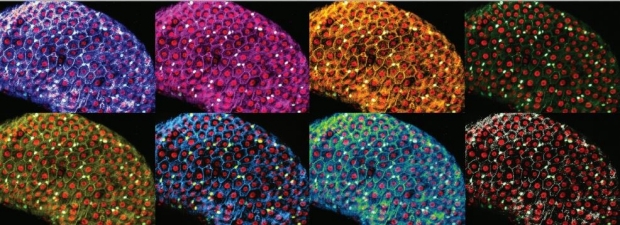
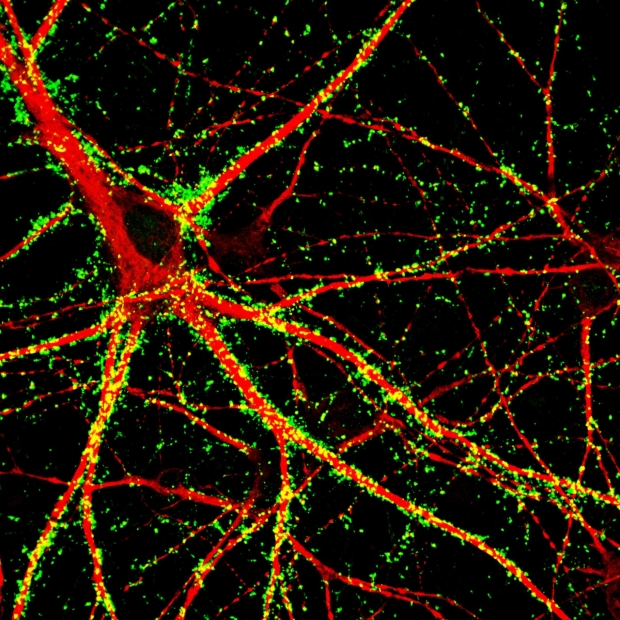
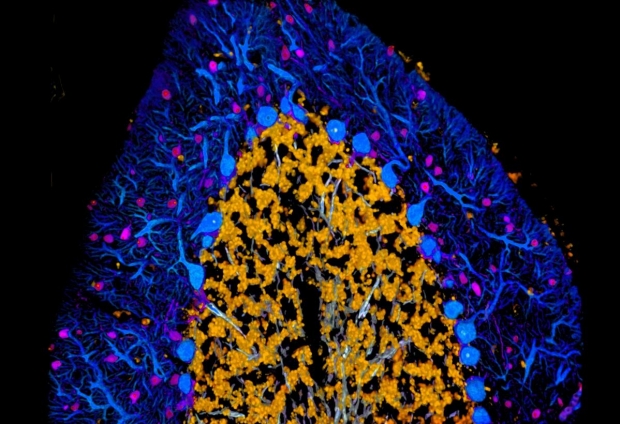
Announcing the winners of the inaugural Andrew Olson Scientific Image Awards
Several members of MCP have been selected as winners of the inaugural Andrew Olson Scientific Image Awards, presented by the Neuroscience Microscopy Service (NMS) and sponsored by the Wu Tsai Neurosciences Institute and Carl Zeiss.
-
William Weis dies at 64
William Weis, PhD, former chair of structural biology at Stanford Medicine, refined advanced imaging techniques and described the three-dimensional structure of many cellular components.
-

William Robinson, pioneering virologist
Hard-driving molecular virologist who used ‘advanced chemistry to unlock the tightly held secrets of viruses’ was also a hearty mountain man, scaling peaks in Alaska and Nepal.
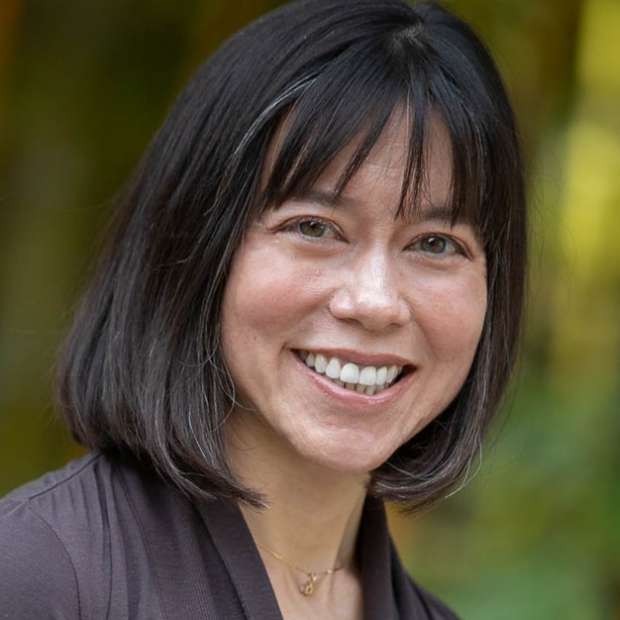
Lucy O'Brien named CZ Biohub Investigator
MCP Associate Professor Dr. Lucy O'Brien has been named a Chan Zuckerberg Biohub Investigator. Read full article here.
MCP Faculty